

Apr
29
11:00am - 12:00pm
Uris Auditorium
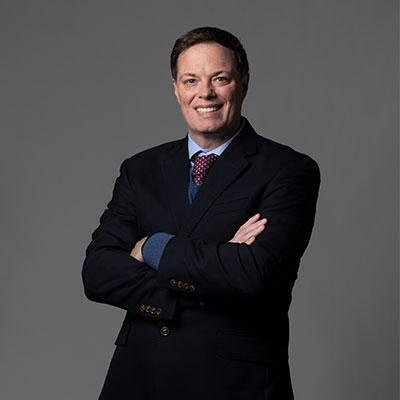
Lecture Title: "Applied Transference Focused Psychotherapy: How It Developed and Why It Matters Now"
Richard Hersh, M.D.
Special Lecturer, Department of Psychiatry, Vagelos Columbia College of Physicians and Surgeons
Faculty, Columbia Center for Psychoanalytic Training and Research
Apr
23
12:00pm - 1:00pm
School attendance problems (SAPs) are a common struggle for many adolescents and families and often result in worsened mental health, family conflict and stress, poor academic functioning, social struggles, and delayed independence. Good evidenced-based treatments exist for school avoidance, yet the behavior is complex and can be difficult to treat. Using a case example, this didactic will review evidence-based strategies for assessing and treating school avoidance behaviors. We will discuss the importance of integrating family and school supports into treatment and skills to review with caregivers.
1 CE credit available to WCM Department of Psychiatry full time and voluntary faculty Psychologists, Social Workers and LMHCs, who sign in with their full name, attend the entire lecture and complete a survey which will be emailed following the completion of the lecture.
Apr
22
11:00am - 12:00pm
Lecture Title: "Overview of the Changing Ketamine Landscape"
Gerard Sanacora, MD, PhD
George D. Gross and Esther S. Gross Professor of Psychiatry, Yale University School of Medicine
Director Yale Depression Research Program
Co-Director Yale New Haven Hospital Interventional Psychiatry Service

Apr
16
12:00pm - 1:00pm
When people are locked in conflict with their partners, they often feel as if the other person’s behavior is happening to them out of nowhere and that theirreactions are simply the inevitable response of their partner’s bad behavior. When both people in a couple do this at the same time, stalemate ensues,with each person waiting for the other to change before they will put down their own defenses. In this presentation, Dr. Mayville will describe how usingstrategies from Integrative Behavioral Couple Therapy and other modalities can help clients shift from gridlock to curiosity so that they have moreflexibility in how they react to relational stressors.
*1 CE credit available to WCM Department of Psychiatry full time and voluntary faculty Psychologists, Social Workers and LMHCs, who attend the entire lecture, sign in via the EEDS system, and who complete an evaluation through EEDS within 30 days of lecture. Please contact wcmpsychiatryce@med.cornell.edu for additional CE information.

Apr
15

Apr
15
11:00am - 12:00pm
Lecture Title: "An overview of dissemination and implementation science:
Illustrations from psycho-oncology and integrative oncology"
Kelly McConnell, PhD
Attending Psychologist, Memorial Sloan Kettering Cancer Center
Apr
09
10:30am - 11:30am
This presentation provides an overview of encopresis and behavioral constipation in children, with a focus on evidence-based medical and psychological assessment and intervention. The talk begins with a review of diagnostic criteria, physiological mechanisms, and common developmental and psychosocial factors associated with toileting difficulties in childhood. Medical and behavioral assessment strategies are discussed, emphasizing the importance of interdisciplinary collaboration. Evidence-based medical management and its integration with cognitive-behavioral treatments are reviewed. The cognitive-behavioral treatment component highlights the use of positive reinforcement, behavioral shaping, structured toilet-sitting regimens, and environmental modifications to support successful toileting behaviors and address avoidance and shame. Practical guidance is provided for tailoring interventions to individual children and families. Clinical case examples are included to illustrate assessment, treatment planning, and common challenges encountered in practice.
1 CE credit hour is available free of charge to Weill Cornell Medicine Department of Psychiatry, full time and voluntary psychology, social work and LMHC faculty. Credits are available to those who sign into the lecture using the EEDS sign-in link provided, attend the entire lecture live, and complete the CE evaluation in the EEDS portal within 30 days, in accordance with NYSED and APA requirements.
Apr
08
11:00am - 12:00pm
NewYork-Presbyterian Westchester Behavioral Health Center
Lecture Title: "PEDIATRIC DEPRESSION: EVIDENCE-BASED AND EMERGING TREATMENTS INCLUDING KETAMINE"
Michael H. Bloch, MD, MS
Harris Professor
Child Study Center
Yale University

Apr
07
11:00am - 12:00pm
Lecture Title: "Occupational Therapy in Behavioral Health: Empowering Recovery and Independence"
Robin Kahan-Berman, Ed.M., OTR/L
Vice President of Occupational Therapy at Project Renewal
Clinical Instructor at Columbia University - OT Program
Apr
02
12:00pm - 1:00pm
Cognitive behavioral therapy (CBT) is a recommended intervention for the treatment of menopause symptoms by The Menopause Society, NICE, and the International Menopause Society, especially when menopause hormone treatment cannot be used or is not desired. CBT has been used to treat vasomotor symptoms, sleep difficulties, mood and anxiety symptoms, cognitive concerns, and sexual dysfunction. Mindfulness-based interventions (MBIs) have also been gaining traction in treating menopause symptoms. This talk reviews the literature on CBT, including MBIs, and provides examples of these treatments in the menopause sphere. The talk also considers treating menopause symptoms in relation to culture, psychosocial stressors, mental health, and aging.
1 CE credit available to WCM Department of Psychiatry full time and voluntary faculty Psychologists, Social Workers and LMHCs, who sign in with their full name, attend the entire lecture and complete a survey which will be emailed following the completion of the lecture.